
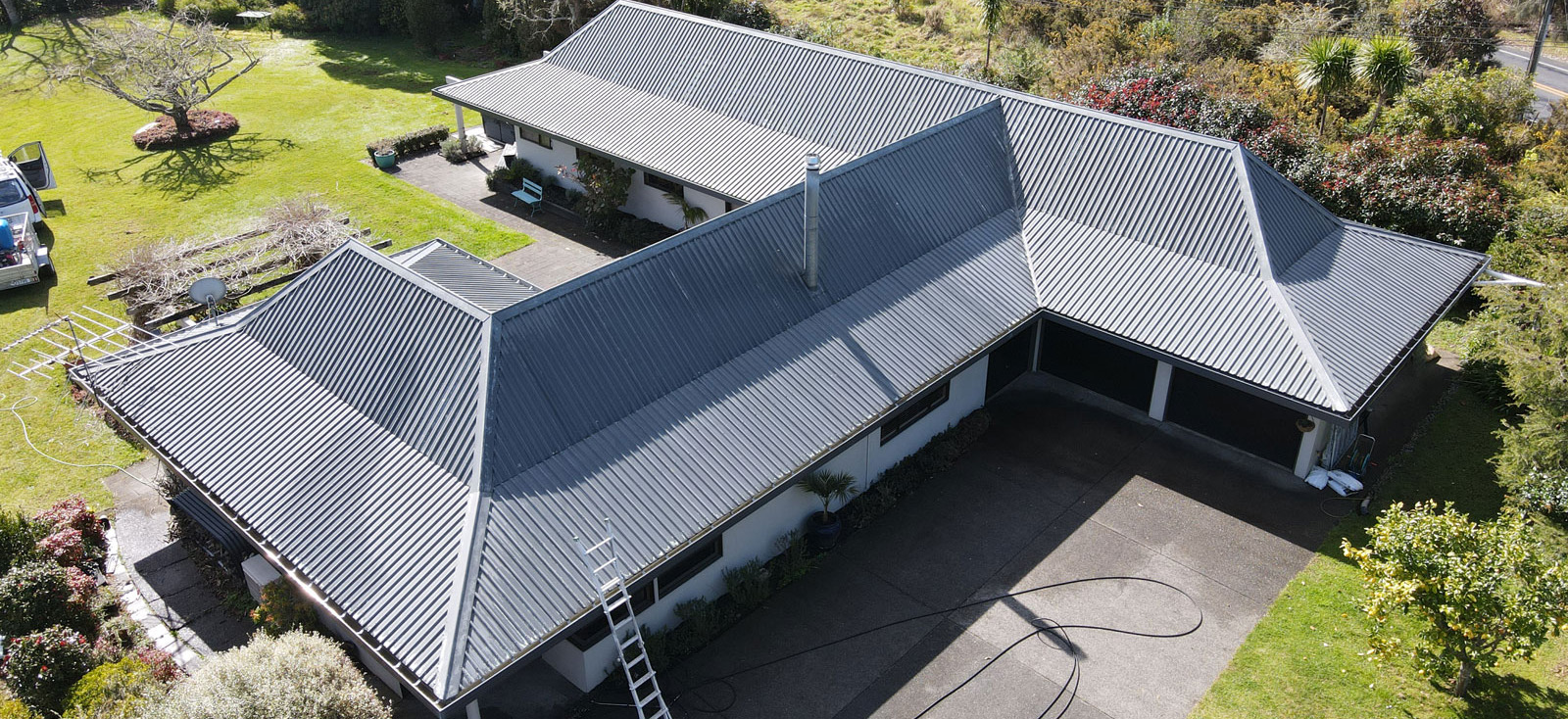
Dealing with constant roof repairs is a frustrating reality for homeowners who just want a dry and secure home. You might fix a leak in the hallway one week, only to find damp spots appearing in the bedroom a month later. While roof repair is the ideal solution for isolated damage on a healthy roof, it creates a money pit on a structure that has expired. Older roofs often hide structural issues that basic fixes can no longer handle. Hence, finding the root cause is crucial, and it begins by examining how local weather patterns affect roofing materials.
Auckland experiences unique weather challenges that put immense strain on roofing materials. The climate includes high humidity, intense UV rays during summer, and salt-laden winds from the coast. These elements work together to accelerate the deterioration of protective coatings on metal and concrete tiles, much faster than in drier regions. Further, these shifts loosen fasteners and break seals, creating small openings that lead to regular roof repairs.
Significant issues also arise from heavy rainfall and strong winds, which are common in the region. Storms often drive rain sideways, forcing it under loose tiles or lifted iron sheets, where it can get trapped in the roof cavity. This creates a perfect environment for rot and rust to spread unseen. Ignoring these early signs of wear usually results in roof repairs becoming a monthly or yearly obligation.
Homes that need attention usually suffer from systemic failure rather than isolated damage. You might notice that as soon as a contractor fixes one leak, another appears on the opposite side of the house. This pattern suggests the materials have reached the end of their lifespan.
Recurring leaks often mean the underlay or building paper has disintegrated. When the protective layer beneath the roofing material fails, water has a direct path to the timber framing. Owners who pay for multiple roof repairs are unknowingly facing widespread damage.
It is easy to overlook subtle signs of failure until they cause major damage. However, certain indicators show that the roof structure is compromised beyond what a simple patch can fix.
Many hesitate to replace their roof because the upfront cost seems high. However, the cumulative cost of ongoing maintenance often exceeds the price of a new roof over a few years. One must consider the call-out fees, labour, and materials for every visit.
Water damage inside the home also adds to the financial burden. Homeowners frequently have to replace ceiling panels, insulation, and even carpets due to recurring leaks. These interior costs are added to the invoice for the roof repairs.
Small invoices might seem manageable in isolation, but they add up quickly. Homeowners should review their total roofing spending over the last three to five years.
Roof restoration services in Auckland are popular for improving a home’s appearance. These services typically involve cleaning, treating rust, and applying a fresh coat of paint. While this can extend the life of a decent roof, it cannot fully fix structural weakness.
Restoration relies on a solid base to work effectively. If the base material is too far gone, the new coating has nothing to adhere to.
While roof repair is another way to restore and maintain your roof, choosing to replace it stops the cycle of stress and spending. It gives the owner a clean slate and makes sure the home is watertight for decades. A full replacement involves removing all old materials, inspecting the timber structure, and installing new underlay and roofing products. This process eliminates the weak points that cause leaks, something piecemeal roof repairs simply cannot offer.
The benefits of a new roof extend beyond just keeping water out. It improves the comfort, value, and appearance of the entire property.
Sometimes the signs are obvious, but they are subtle warnings that the entire system is failing. If a roofer is called for roof repairs more than once a year, it is time to consider the bigger picture.
Auckland homes built in the last century often display specific signs of ageing. Recognising these early can save a home from a ceiling collapse or major internal flooding.
Living with a damaged roof causes unnecessary stress and financial strain. The decision to replace a roof is vital, but it is often the most responsible choice for a home’s safety. A professional inspection allows homeowners to determine the true extent of the damage. This clarifies exactly why a quick fix might no longer be sufficient and how replacement offers better long-term value for a property.
Markus and The Brothers LTD is here to guide you through the process with transparency and expertise. Our team will assess whether a durable fix is sufficient or if a full replacement offers better security. We specialise in delivering high-quality workmanship that protects your investment and keeps your family dry. Contact us today to discuss a permanent solution that ends the cycle of temporary roof repairs.
The price varies depending on the issue. A minor roof repair, like swapping a few broken tiles or sealing a flashing, might cost a few hundred dollars. However, fixing widespread leaks or replacing large sections of iron can cost thousands. Professional roofers provide a clear quote so you know exactly what to expect before work starts.
It depends on the roof’s age and condition. If the roof is relatively new and the damage is from a specific event like a falling branch, a repair is definitely worth it. However, if the roof is years older and the materials are crumbling, roof repair is usually throwing good money after bad, making replacement a better option.
In Auckland, the combination of UV radiation and salt air causes the most harm. The sun breaks down paint and sealants, while the salt accelerates rust on any exposed metal. Neglect is also a major factor. Failing to wash the roof and clear the gutters significantly accelerates deterioration.
A correctly installed roof can last anywhere from 30 to 50 years. The lifespan depends on the material chosen and the environment. Regular maintenance, such as washing the roof annually, also makes sure you get the maximum life out of the new system.
Delaying replacement usually results in more costly damage. Water entering the roof cavity can rot structural timber, destroy insulation, and damage electrical wiring. In severe cases, ceilings can collapse, posing a risk to anyone inside.

