
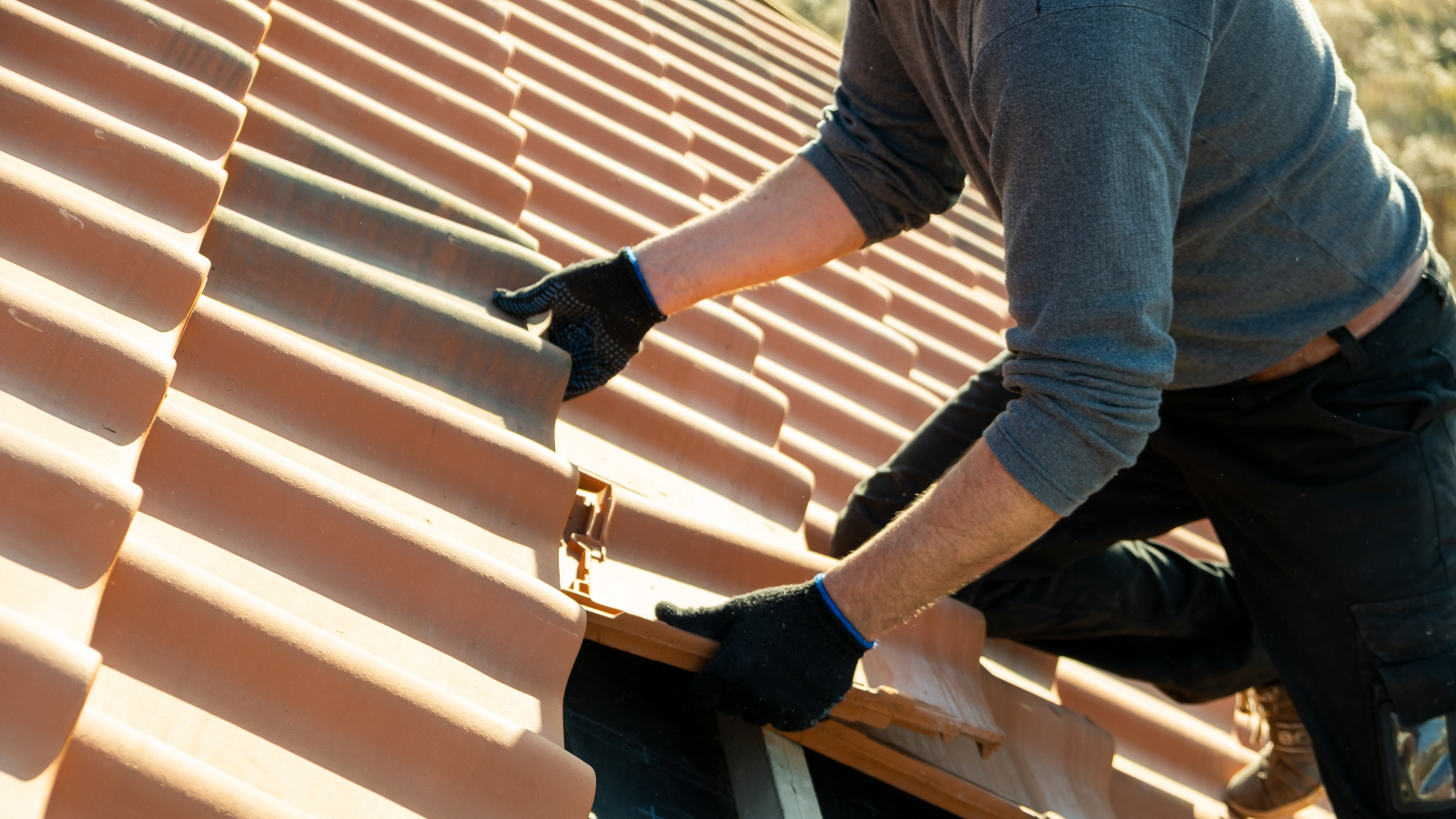
Your roof is essential for keeping your home’s interior warm and dry, so when it starts to feel cold inside, this could be a sign of roof damage. But how do you know whether you need a roof repair or replacement?
While small instances of wear and tear can often be repaired, your roof may have widespread issues, for which replacement is the best option. There’s also a middle ground worth knowing about: roof restoration. It’s often half the cost of a full replacement, and many homeowners don’t realise it’s an option. Let’s take a look at the different options available.
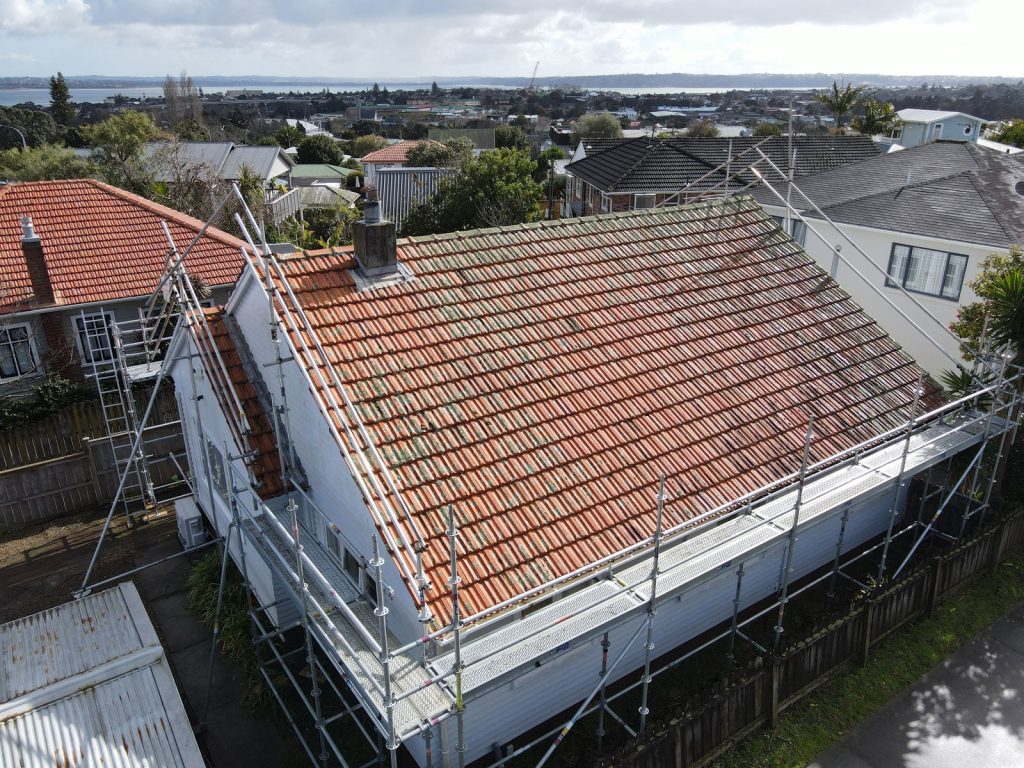
A repair tackles isolated roof damage: a cracked tile, failed flashing, or a single leak after a storm. It’s the best choice when the rest of your roof is in good shape, and the problem is contained to one small area.
Roof restoration services sit between repair and replacement. It involves cleaning, recoating, resealing, and re-bedding a roof that’s ageing but still structurally sound. Done right, it can extend the life of your roof by 10-15 years without the cost of a full tear-off.
Roof replacement involves removing everything down to the deck and starting fresh. It’s the right option when the structure is compromised, the materials have reached the end of their life, or the damage is too widespread for repairs or restoration to be cost-effective.
Roof lifespan varies a lot depending on what it’s made of, and New Zealand’s conditions certainly don’t help. The high UV, coastal salt air, and heavy seasonal rain all accelerate wear. Here’s a rough guide by common roof type:
| ROOF TYPE | EXPECTED LIFESPAN IN NZ |
| Pressed Metal/Colorsteel | 40-50 years |
| Concrete Tiles | 25-40 years |
| Clay Tiles | 50+ years |
| Asphalt Shingles | 15-20 years |
| Butynol/Membrane (flat roofs) | 20-30 years |
If your roof is approaching the upper end of its expected lifespan and showing signs of wear, that’s when the conversation about roof restoration vs replacement becomes real.
Some issues are genuinely minor. If any of the following sound familiar, a targeted repair is most likely all you’ll need:
The key word here is ‘isolated.’ As long as the rest of the roof is sound, there’s no need to replace what isn’t broken.
This is the option most homeowners forget about. If your roof ticks any of the boxes below, restoration is worth considering before you commit to a full replacement:
When considering roof restoration vs replacement, restoration is often around half the cost of replacement, and can add a decade or more to your roof’s service life. It’s not always the right answer, but it’s frequently the most practical one.
When your roof has been in place for a long time, it will begin to show signs of age. You may notice, for example, that the tiles are starting to slide out of place. The occasional slipped tile can be dealt with, but if it’s happening regularly across multiple areas of the roof, that’s a different story. If you find yourself regularly noticing that tiles are slipping, it’s time for a roof replacement.
Other worrying signs of age include mould growing over the tiles, as this indicates that damp has become a problem. This can cause the tiles to move, affecting the roof’s structure. Small amounts of mould can be cleaned, but if it’s widespread and the tiles themselves are moving or deforming, it’s a good idea to consider a replacement.
While cracks in the roof might be hard to spot from the outside, you can check for them easily from inside your loft or attic. If you notice light coming in from multiple places, it is a sign of holes in the roof and a good indicator that you need a new one. You may also find your home isn’t holding heat as well as it used to, as cold air gets in through the gaps.
Another key sign that there are holes in your roof is that rain is leaking into your loft or attic. Once water starts getting in, it can cause extensive damage to your home. If there are multiple leak points or if the same leak keeps returning after repairs, the best course of action is usually a full roof replacement.
If you’re seeing a sagging roof deck, visible deformation from the street, or rotten timber during the roof inspection, those are structural issues. Repairs and restoration can’t fix a compromised frame; replacement is the only real option at that point.
Internal (or concealed) gutters are common on New Zealand’s older homes and can be a significant source of leaks when they fail. If your internal gutters are deteriorating alongside broader issues, it’s worth discussing an internal gutter conversion as part of a wider roof replacement. It removes a long-term maintenance liability in one go.
At Markus and The Brothers Ltd, we offer roof replacement services in Auckland. If you’re facing any of these issues, don’t hesitate to get in touch with us.
Costs vary depending on your roof’s size, materials, pitch, and access. But as a rough guide, for an average New Zealand home:
The numbers that really matter are the ones you avoid by acting early. A $500 repair left too long can easily turn into a $5,000 water damage job. And a roof that needed restoration five years ago may now need full replacement. So, when you’re deciding between roof repair or replacement, the cost of doing nothing is always worth factoring in.
It’s tempting to push roof issues down the priority list, especially when a leak only shows up occasionally. But if damage compounds quickly:
Getting an assessment costs nothing. Delaying a fixable problem often costs a lot.
The decision between roof repair, replacement, and restoration comes down to three things: how localised the damage is, how old the roof is, and whether the underlying structure is still sound. If it’s isolated, repair it. If it’s ageing but solid, restore it. If the damage is widespread or structural, replacement is the best call.
Markus & The Brothers are a family-run roofing team servicing Auckland. Every assessment is honest, and every recommendation is based on what actually makes sense for your roof. Not sure where you stand? Get in touch with us for a no-pressure roof assessment.

